Facility management goes far beyond keeping buildings operational. It brings together maintenance, asset management, health and safety, energy efficiency, fire protection, building systems, sustainability, and regulatory compliance.
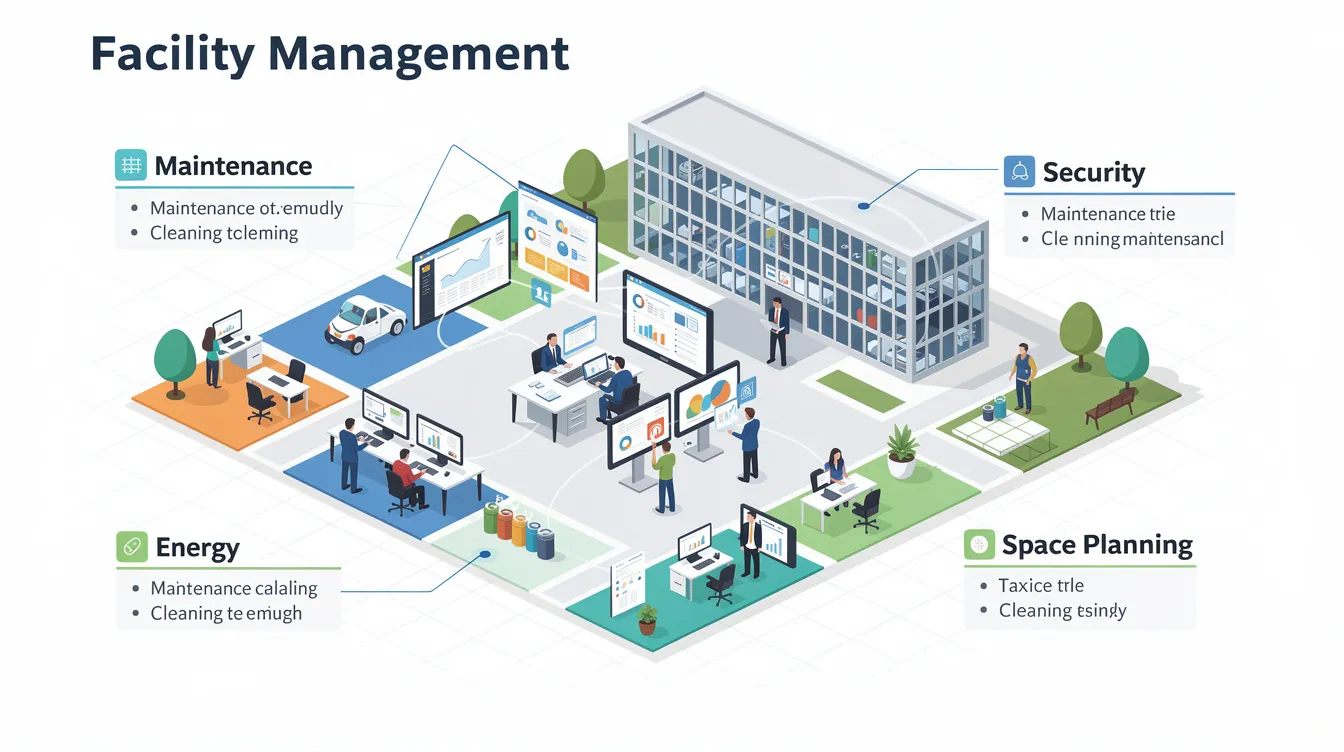
For facility managers, understanding the relevant codes and standards provides an important framework for making informed decisions, managing risks, improving asset performance, and creating safer and more efficient environments.
From ISO and ASHRAE standards to NFPA, OSHA, IEC, and building codes, here are seven key areas every facility management professional should understand.
Effective facility management starts with understanding the assets within a facility and managing them throughout their lifecycle.
ISO 41001 is an international standard for facility management systems, published in April 2018 as ISO 41001:2018, that helps organizations develop and implement effective and efficient FM processes aligned with the organization’s objectives, defined scope, and the needs of interested parties so they can deliver FM services through an FM system. It applies to all organizations, public or private, across different sectors. The broader ISO 41000 family also covers areas such as facility management terminology, sourcing, strategy, and policy. ISO 41001 follows the Annex SL high-level structure used by ISO management systems.
Asset management is further supported by the ISO 55000 family, which provides a structured approach to managing assets while balancing performance, cost, opportunity, and risk.
Other relevant management standards include:
Facility services are commonly divided into hard and soft services, with hard services covering maintenance of fixed building elements. Together, these frameworks can support preventive maintenance, asset lifecycle planning, performance monitoring, risk management, energy efficiency, and continuous improvement.
For facility managers, the objective is not simply to repair equipment when something goes wrong. It is to understand asset condition, anticipate maintenance requirements, optimize performance, and make informed decisions throughout the asset lifecycle in ways that support the core business and its primary activities.
Heating, ventilation, and air-conditioning systems have a direct impact on the built environment, occupant comfort, indoor air quality, building performance, and energy consumption.
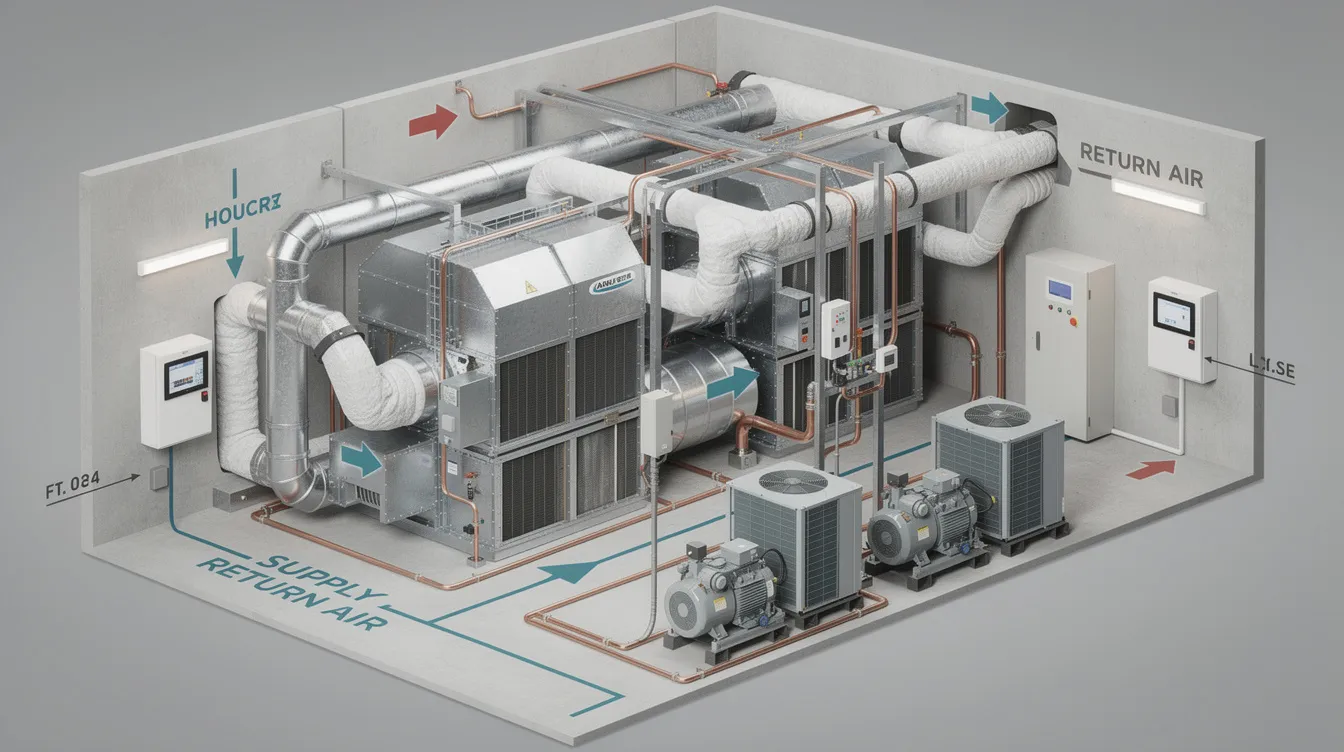
ASHRAE standards are among the widely recognized technical references in this area.
Key standards include:
HVAC-related facility services should also adapt to changing needs through effective space management and demand-responsive operations.
For facility management teams, HVAC management therefore goes beyond maintaining comfortable temperatures. Ventilation, indoor air quality, humidity, energy consumption, equipment performance, and preventive maintenance should all form part of effective building operations.
Well-managed HVAC systems can contribute to healthier indoor environments, improved occupant comfort, greater energy efficiency, and more reliable facility performance. In integrated FM, demand-driven service design can also reduce operational costs, and ISO 41001 requires organizations to monitor environmental impacts. Together, these practices support climate action and can significantly contribute to achieving net zero emissions.
Fire and life safety are fundamental responsibilities within facility management.
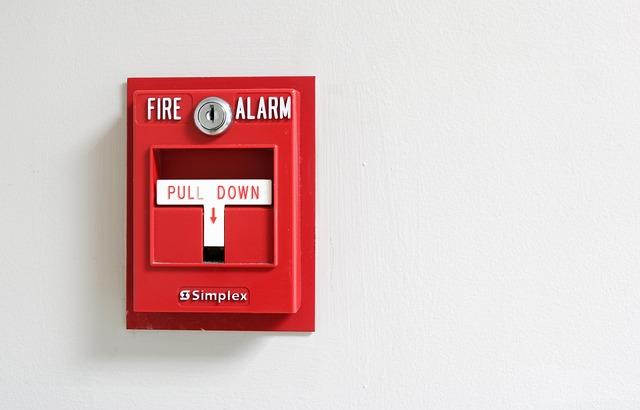
The National Fire Protection Association (NFPA) develops codes and standards addressing fire prevention, detection, suppression, electrical safety, and emergency protection.
Important references for facility management professionals can include:
Having fire protection equipment installed is only one part of fire safety.
Facilities also require appropriate inspection, testing, preventive maintenance, document control with formal records, emergency procedures, and trained personnel to help ensure systems perform as intended when needed. Security is also part of life-safety preparedness, supporting a safer environment through access control, surveillance, and risk mitigation.
For facility managers, fire and life safety should therefore be treated as an ongoing operational responsibility rather than a one-time compliance exercise.
Facility management activities can expose employees and contractors to a wide range of workplace hazards that affect the safety and quality of the working environment.
Electrical work, working at height, confined spaces, maintenance activities, hazardous substances, moving equipment, and construction work all require appropriate safety controls.
Depending on the jurisdiction and type of operation, relevant references may include OSHA 29 CFR 1910 for general industry and OSHA 29 CFR 1926 for construction, alongside internationally recognized occupational health and safety frameworks such as ISO 45001.
Important FM safety practices include:
Training frameworks and professional qualifications from organizations such as NEBOSH and IOSH can also contribute to stronger health and safety competencies.
The objective is to establish a proactive safety culture where hazards are identified, assessed, and controlled before they result in incidents, injuries, or operational disruption across the company.
Electrical and mechanical infrastructure forms the backbone of modern facilities.
Power distribution, HVAC equipment, electrical panels, generators, UPS systems, motors, ventilation systems, and other critical assets require appropriate operation, inspection, and maintenance.
Common technical references include:
These references address different aspects of electrical installations, power systems, HVAC performance, ventilation, ductwork, and mechanical infrastructure.
From an FM perspective, following applicable electrical and mechanical requirements helps reduce safety risks, prevent unexpected equipment failures, support system reliability, and minimize operational downtime.
Preventive maintenance is particularly important. Identifying deterioration early can help prevent a minor technical issue from becoming a costly failure or major operational disruption.
International standards provide valuable frameworks, but facility managers must also understand the laws, regulations, and building codes applicable to the location in which a facility operates, alongside local standard sets and recognized international guidance.
Common international references include:
Local authorities may impose additional requirements covering fire protection, electrical installations, mechanical systems, accessibility, energy efficiency, environmental performance, occupational safety, and other aspects of building operation, especially in sectors such as healthcare where specialized compliance requirements apply.
This is why facility compliance should not be approached using a universal checklist, and not every jurisdiction or public body can rely on the same framework.
Requirements can vary depending on the country, municipality, facility type, industry, project, and applicable authority.
Facility managers should therefore identify and understand the local regulations, authority requirements, contractual obligations, client specifications, and recognized international standards relevant to each facility.
Modern facilities are increasingly interconnected.
Building Management Systems (BMS), Building Automation Systems (BAS), energy monitoring, water management, sustainability programs, environmental reporting, and digital asset information have become important components of facility management, with CAFM and IWMS tools and solutions helping organize asset data and day-to-day operations.
Relevant standards, protocols, and frameworks can include:
These platforms also support FM strategy, strategic sourcing, and the broader development of management systems. They can also help coordinate support services, including soft services such as cleaning and security.
Technology alone, however, does not create an effectively managed facility.
Documentation is equally important.
O&M manuals, asset registers, as-built drawings, equipment information, maintenance histories, inspection records, warranties, certificates, and handover documentation provide FM teams and the demand organization with the information needed to operate and maintain facilities effectively throughout their lifecycle.
Facility management codes and standards outline the key concepts behind safe, efficient, and consistent building operations.
When appropriately applied, they can help organizations:
Consistent FM service delivery can significantly reduce operational costs.
However, knowing that a standard exists is only the beginning.
The real value comes from understanding which requirements apply, integrating them into everyday facility operations as good practice, maintaining accurate documentation, monitoring performance, and continuously improving processes.
Successful facility management should not treat codes and standards simply as boxes to check.
They provide a foundation for creating facilities that are safer, more reliable, efficient, resilient, and sustainable.
At MMG Facility Management, we recognize that effective facility management requires a comprehensive approach combining maintenance, asset management, health and safety, operational efficiency, documentation, and recognized industry practices to help develop and implement solutions aligned with an organization’s future needs.
Our focus is on supporting the long-term performance of facilities while helping organizations maintain safe, reliable, and efficient operations.
Because effective facility management is not only about keeping a building running.
It is about keeping it running safely, efficiently, reliably, and sustainably throughout its lifecycle, with standards-based decisions that also support long-term resilience.
.png)


